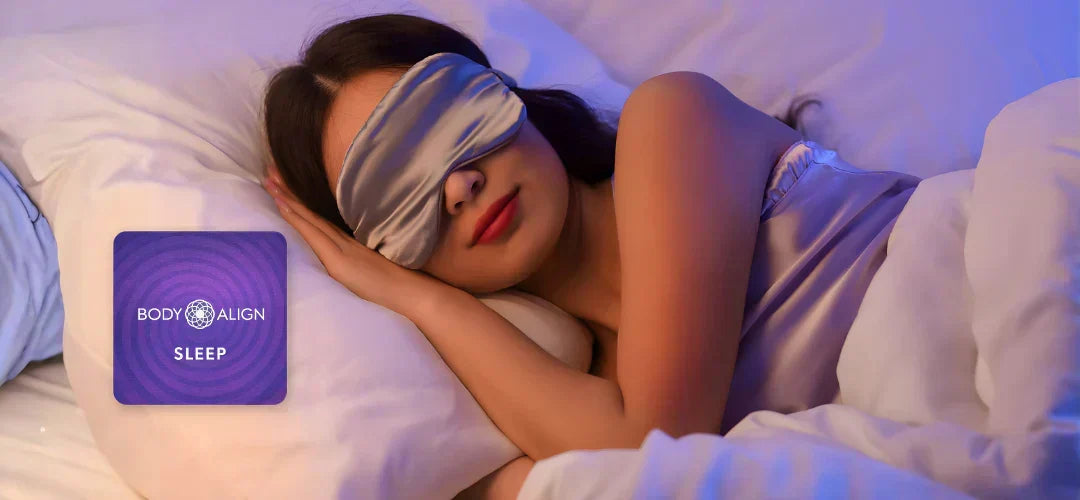
Importance of Sleep Quality: Why Rest is the Ultimate Tool
Importance of sleep quality is the primary focus for anyone tired of tossing, turning, and waking up feeling worse than when they went to bed. While many focus on the quantity of hours spent in bed, the actual science reveals that the depth and structure of your rest are what truly dictate your daily performance and long-term health.


Body Align Wellness Team • Scientifically Reviewed • Updated February 26, 2026 • 6 min read
What is the Sweet Dreams Sleep Patch?
The Sweet Dreams Sleep Patch is a non-invasive, drug-free wellness patch that uses bio-frequencies to support your body's natural relaxation processes. Unlike pills or supplements, it contains no chemicals, no melatonin, and no pharmaceuticals. Simply apply it before bed and let it work overnight to promote deeper, more restful sleep.
📋 In This Article
Your Guide to Restorative Sleep
1️⃣ The Hidden Cost of Poor Sleep

We all know that dragging feeling after a bad night—the brain fog, the headaches, the short fuse. But the consequences of poor sleep go far deeper than grogginess.

A landmark 2025 umbrella review published in a leading health journal analyzed 29 systematic reviews and found that chronic sleep deprivation is a significant risk factor for hypertension, stroke, coronary heart disease, obesity, and type 2 diabetes. Individuals sleeping fewer than 7 hours per night were 1.45 to 1.55 times more likely to be obese and had a 9% higher risk of developing diabetes.
Research from Oregon Health & Science University (2025) also confirmed that insufficient sleep is directly correlated with decreased life expectancy across nearly every U.S. state.
The American Academy of Sleep Medicine and the Sleep Research Society recommend that adults sleep 7 or more hours per night to promote optimal health—yet an estimated 83.6 million U.S. adults fall short of that goal.
2️⃣ What Happens in Your Body During Deep Sleep

Sleep isn't just "downtime"—it's when your body does its most critical repair work. During deep slow-wave sleep (SWS), your brain triggers a cascade of restorative processes:
- Muscle repair & protein synthesis – Growth hormone peaks during deep sleep, making it the body's primary "recovery window" for tissue regeneration, glycogen replenishment, and exercise adaptation.
- Memory consolidation – Sleep converts fragile, newly formed memories into stable long-term storage. Research from the University of Tübingen confirms that deep sleep is critical for transforming short-term memories into lasting ones.
- Immune system strengthening – A study published in NIH's PMC found that sleep on the night after vaccination produced a "strong and persistent increase" in immune memory T cells—effects still measurable at a 1-year follow-up.
- Creativity & problem-solving – A PNAS study demonstrated that REM sleep enhances creative problem-solving by integrating unrelated information into new associations.
The National Sleep Foundation recommends adults aged 18–64 aim for 7 to 9 hours per night, with approximately 25% of that time spent in deep sleep—roughly 1.5 to 2 hours.
3️⃣ Sleep, Stress & the Cortisol Connection

There's a vicious cycle many people don't realize they're stuck in: stress disrupts sleep, and poor sleep amplifies stress.
A 2024 intensive longitudinal study published in the journal SLEEP confirmed that higher pre-sleep cortisol levels (your body's primary stress hormone) predict shorter sleep duration, lower sleep quality, and longer time to fall asleep.
On the flip side, NIH research shows that just six nights of sleep restriction elevated afternoon cortisol levels, with the rate of cortisol decline slowing by nearly 6 times compared to well-rested individuals. Chronic short sleepers consistently show higher cortisol than those who sleep well.
And in a striking 2025 study published in The Journal of Immunology, researchers found that just one single night of sleep deprivation altered the immune cell profiles of healthy young adults to resemble those of people with obesity—a condition known to drive chronic inflammation.
4️⃣ Why Pills Aren't the Answer

When sleep becomes a problem, the first instinct for many is to reach for a pill. But here's what the research actually says:
A study reviewed by the American Academy of Sleep Medicine found that the melatonin content in over-the-counter supplements varied wildly from what was listed on the label. Even more concerning, 26% of tested supplements contained unlabeled serotonin—a controlled substance that can cause serious side effects.
The AASM itself issued a clinical practice guideline suggesting that clinicians not use melatonin as a treatment for sleep onset or sleep maintenance insomnia, as the overall evidence was weakly against its efficacy for those conditions.
Add in the risks of dependency, grogginess, and disrupted natural sleep architecture, and it's clear: pills may mask the problem, but they don't solve it.
5️⃣ A Smarter Approach: The Sweet Dreams Sleep Patch

The Sweet Dreams Sleep Patch takes a fundamentally different approach to sleep support. Instead of flooding your body with chemicals, it uses bio-frequencies to gently encourage your body's own natural relaxation processes.
Here's how it works:
- Drug-free & chemical-free – No melatonin, no herbs, no pharmaceuticals. Nothing that needs to be processed by your liver or kidneys.
- Supports natural rhythms – The patch is designed to help your body transition into sleep naturally, promoting deeper and more restorative rest.
- Simple to use – Apply before bed and wear for up to 12 hours. No pills to swallow, no liquids to measure, no timers to set.
- Safe for nightly use – Because it contains no active chemical ingredients, there's no risk of tolerance, dependency, or morning grogginess.
6️⃣ Real Benefits Beyond Better Sleep

When you finally start sleeping well, the benefits ripple across every area of your life. Science backs this up:
- Sharper memory & creativity – Deep sleep consolidates memories and REM sleep fuels creative problem-solving.
- Stronger immune defense – Quality sleep produces a "strong and persistent" boost in immune memory cells, with effects lasting over a year.
- Better athletic performance – A 2025 multidimensional review confirmed that sleep is now considered a "pillar of athlete health" alongside training and nutrition, improving reaction time, power output, and endurance.
- Lower stress & better moods – Proper sleep regulates cortisol, your body's primary stress hormone, leading to calmer days and brighter moods.
- Healthier weight management – Sleep deprivation disrupts hunger hormones (leptin and ghrelin), increasing cravings and reducing insulin sensitivity.
Sleep Solutions at a Glance
| Method | Drug-Free | No Side Effects | Duration | No Dependency |
|---|---|---|---|---|
| Sweet Dreams Patch | ✓ | ✓ | Up to 12 hrs | ✓ |
| Melatonin Supplements | Varies | ✗ | 4–6 hrs | Varies |
| Prescription Sleep Aids | ✗ | ✗ | 6–8 hrs | ✗ |
| Herbal Teas | ✓ | ✓ | 1–2 hrs | ✓ |
7️⃣ Try It Risk-Free
You've probably spent more than you'd like to admit on sleep aids that didn't deliver. The grogginess. The dependency. The disappointment.
That's exactly why Body Align offers a money-back guarantee.
Try the Sweet Dreams Sleep Patch. Wear it tonight. See how you feel tomorrow. If you don't wake up feeling like you've discovered a better way to sleep, return any unused patches for a full refund—no questions asked.
The Interconnectedness of Sleep and Mental Well-being
Beyond the physical restoration, sleep plays an absolutely critical role in our mental and emotional health. During deep sleep, your brain is actively processing emotions, consolidating memories, and even clearing out metabolic waste products that accumulate during wakefulness. A consistent lack of quality sleep can lead to increased irritability, anxiety, and even contribute to more severe conditions like depression. It impairs your ability to regulate emotions, solve problems, and cope with stress, turning minor inconveniences into major challenges. Prioritizing sleep is not a luxury; it's a fundamental pillar of mental resilience and emotional stability, allowing you to approach each day with a clearer mind and a more balanced perspective. Understanding this profound connection empowers you to view sleep as a proactive strategy for maintaining psychological equilibrium, not just a passive state of rest.
Optimizing Your Sleep Environment: A Sanctuary for Restoration
Creating an optimal sleep environment is a powerful, yet often overlooked, step towards improving sleep quality. Your bedroom should be a sanctuary dedicated to rest, free from distractions and conducive to relaxation. This means ensuring it's dark, quiet, and cool. Block out all light sources, including streetlights and electronic device glows, as even minimal light can disrupt melatonin production. Consider earplugs or a white noise machine if your environment is noisy. Keep the temperature between 60-67 degrees Fahrenheit (15-19 degrees Celsius), as a cooler room signals to your body that it's time to rest. Furthermore, remove electronics like TVs and smartphones from the bedroom to avoid blue light exposure and the temptation of late-night scrolling. By consciously designing your sleep space, you're sending a clear signal to your body and mind that this is a place solely for deep, restorative sleep, significantly enhancing your chances of achieving true rest.
The Role of Bio-Frequency Technology in Enhancing Sleep Cycles
While traditional methods like sleep hygiene and environmental optimization are crucial, innovative solutions are emerging to further support natural sleep cycles. Bio-frequency technology, such as that utilized by Body Align patches and bands, offers a drug-free approach to help your body achieve a more balanced state conducive to rest. These products are designed to interact with your body's natural energetic fields, promoting harmony and reducing the impact of stressors that can disrupt sleep. By gently encouraging your body's systems to operate more efficiently, they can help facilitate deeper, more restorative sleep without introducing external chemicals. This technology isn't about forcing sleep; it's about supporting your body's innate ability to regulate its own rhythms, including those essential for a healthy sleep-wake cycle. Integrating such tools can be a valuable addition to your comprehensive sleep strategy, offering a subtle yet profound way to enhance your nightly regeneration and wake up feeling truly revitalized.
The Profound Impact of Sleep on Cognitive Function
Beyond simply feeling rested, quality sleep is a cornerstone of optimal cognitive function. During deep sleep, your brain is far from idle; it's actively consolidating memories, processing information learned throughout the day, and even clearing out metabolic waste products. This nightly 'reset' is crucial for maintaining sharp focus, problem-solving abilities, and creative thinking. Without adequate sleep, these vital processes are compromised, leading to brain fog, impaired decision-making, and reduced learning capacity.
Sleep's Role in Emotional Regulation and Mental Well-being
The connection between sleep and emotional health is undeniable. A good night's rest helps regulate neurotransmitters like serotonin and dopamine, which are key players in mood stability. When sleep-deprived, the amygdala, the brain's emotional center, becomes overactive, leading to increased irritability, anxiety, and a heightened stress response. Prioritizing sleep is a powerful strategy for fostering emotional resilience and promoting a positive outlook on life.
Strengthening Your Immune System Through Rest
Your immune system works tirelessly to protect you from illness, and sleep is one of its most potent allies. During sleep, your body produces and releases cytokines, proteins that are essential for fighting infection and inflammation. Chronic sleep deprivation can suppress immune function, making you more susceptible to colds, flu, and other infections. Investing in quality sleep is an investment in your body's natural defense mechanisms.
The Link Between Sleep and Physical Health
Sleep is not just for your mind; it's vital for your physical body too. It plays a critical role in hormone regulation, including growth hormone, which is essential for cell repair and regeneration. Lack of sleep can disrupt metabolism, affecting blood sugar levels and increasing the risk of conditions like type 2 diabetes and obesity. Furthermore, adequate rest is crucial for muscle repair and recovery, making it indispensable for athletes and anyone engaged in physical activity.
Understanding Sleep Cycles: REM and Non-REM Stages
Sleep is not a monolithic state but a complex journey through distinct stages. Non-REM sleep, comprising stages N1, N2, and N3 (deep sleep), is characterized by progressively slower brain waves and is crucial for physical restoration and memory consolidation. REM (Rapid Eye Movement) sleep, on the other hand, is when most dreaming occurs and is vital for emotional processing and creative problem-solving. A full night's sleep allows your body to cycle through these stages multiple times, ensuring you reap the benefits of each.
The Detrimental Effects of Chronic Sleep Deprivation
Consistently skimping on sleep has far-reaching consequences that extend beyond feeling tired. Chronic sleep deprivation can lead to a host of health problems, including increased risk of heart disease, high blood pressure, and stroke. It impairs judgment, coordination, and reaction time, significantly increasing the risk of accidents. Recognizing and addressing chronic sleep debt is paramount for long-term health and safety.
Creating an Optimal Sleep Environment
Transforming your bedroom into a sleep sanctuary can dramatically improve your sleep quality. This involves keeping the room dark, quiet, and cool. Blackout curtains, earplugs, and a comfortable mattress and pillows are excellent investments. Minimizing clutter and removing electronic devices from the bedroom can also signal to your brain that this space is reserved for rest, not stimulation.
The Power of a Consistent Sleep Schedule
Your body thrives on routine, especially when it comes to sleep. Going to bed and waking up at roughly the same time each day, even on weekends, helps regulate your circadian rhythm, your body's internal clock. This consistency reinforces your natural sleep-wake cycle, making it easier to fall asleep and wake up feeling refreshed. Disrupting this rhythm can lead to feelings of jet lag and make it harder to achieve restorative sleep.
Mindfulness and Relaxation Techniques for Better Sleep
In our fast-paced world, winding down before bed can be a challenge. Incorporating mindfulness and relaxation techniques into your nightly routine can be incredibly beneficial. Practices like deep breathing exercises, meditation, gentle stretching, or a warm bath can help calm your nervous system, reduce stress, and prepare your mind and body for sleep. These techniques shift your focus away from daily worries and towards a state of tranquility.
Nutrition and Hydration: Fueling Your Sleep
What you consume throughout the day significantly impacts your sleep at night. Avoiding heavy meals, caffeine, and alcohol close to bedtime is crucial. Caffeine is a stimulant that can stay in your system for hours, while alcohol, though initially sedating, disrupts sleep architecture later in the night. Opt for a balanced diet rich in whole foods, and stay adequately hydrated during the day, but limit fluids before bed to avoid nighttime awakenings.
The Role of Exercise in Promoting Restful Sleep
Regular physical activity is a powerful sleep aid, but timing is key. Engaging in moderate exercise during the day can help you fall asleep faster and enjoy deeper sleep. However, intense workouts too close to bedtime can be stimulating and interfere with sleep. Aim to complete your exercise at least a few hours before you plan to go to sleep, allowing your body time to wind down.
Leveraging Technology for Sleep Improvement
While screens before bed are generally discouraged, certain technologies can be beneficial for sleep. Sleep trackers can provide insights into your sleep patterns, helping you identify areas for improvement. White noise machines or apps can mask disruptive sounds, creating a more peaceful sleep environment. Additionally, smart lighting systems that mimic natural light cycles can help regulate your circadian rhythm.
Addressing Common Sleep Disruptors
Many factors can interfere with a good night's sleep. Stress, anxiety, and certain medical conditions like sleep apnea or restless leg syndrome are common culprits. Identifying and addressing these underlying issues, often with the help of a healthcare professional, is a critical step towards improving sleep quality. Don't hesitate to seek guidance if you suspect a medical condition is impacting your rest.
The Importance of Digital Detox Before Bed
The blue light emitted from smartphones, tablets, and computers can suppress melatonin production, the hormone that signals to your body it's time to sleep. Engaging with stimulating content on these devices also keeps your mind active. Implementing a digital detox at least an hour before bed can significantly improve your ability to fall asleep and achieve deeper, more restorative rest.
Understanding the Impact of Light on Sleep
Light is the most powerful cue for regulating your circadian rhythm. Exposure to bright light in the morning helps you wake up and feel alert, while dimming lights in the evening signals to your body that it's time to prepare for sleep. Melatonin production increases in darkness, promoting drowsiness. Optimizing your light exposure throughout the day and evening can profoundly impact your sleep quality.
When to Seek Professional Help for Sleep Issues
While many sleep issues can be improved with lifestyle changes, persistent difficulties warrant professional attention. If you consistently struggle to fall asleep, stay asleep, or experience excessive daytime sleepiness despite adequate opportunity for rest, it's time to consult a doctor or a sleep specialist. They can help diagnose underlying conditions and recommend appropriate treatments or therapies.
Embracing Sleep as a Fundamental Pillar of Wellness
In a world that often glorifies busyness, it's easy to view sleep as a luxury or a negotiable activity. However, sleep is not merely a break from activity; it is an active, vital process essential for every aspect of your health and well-being. Embracing sleep as a fundamental pillar of wellness, alongside nutrition and exercise, empowers you to live a healthier, more vibrant, and more fulfilling life.
Enhancing Your Sleep Journey with Body Align Products
As you commit to prioritizing your sleep, consider how innovative wellness solutions can support your journey. Body Align offers drug-free bio-frequency patches and bands designed to work with your body's natural energy field. Products like the Body Align Sleep Patch, for example, are engineered to promote relaxation and encourage a more restful night's sleep, helping you optimize your body's natural ability to restore and rejuvenate. By integrating such supportive tools into your comprehensive sleep strategy, you can further enhance your pursuit of ultimate rest and unlock your full potential. Explore the Body Align Product range today and discover how these advanced wellness solutions can complement your commitment to superior sleep quality. ($69.95)
Frequently Asked Questions
Ready to Wake Up Feeling Like Yourself Again?
✓ Drug-free & non-invasive • ✓ No pills, no grogginess • ✓ Money-back guarantee
🔒 Secure Checkout • ↩️ Easy Returns
Explore our full line of Energy Wellness products:
ⓘ These statements have not been evaluated by the FDA. This product is not intended to diagnose, treat, cure, or prevent any disease. Individual results may vary. Not recommended for children under 16 or women that are pregnant or breastfeeding.